
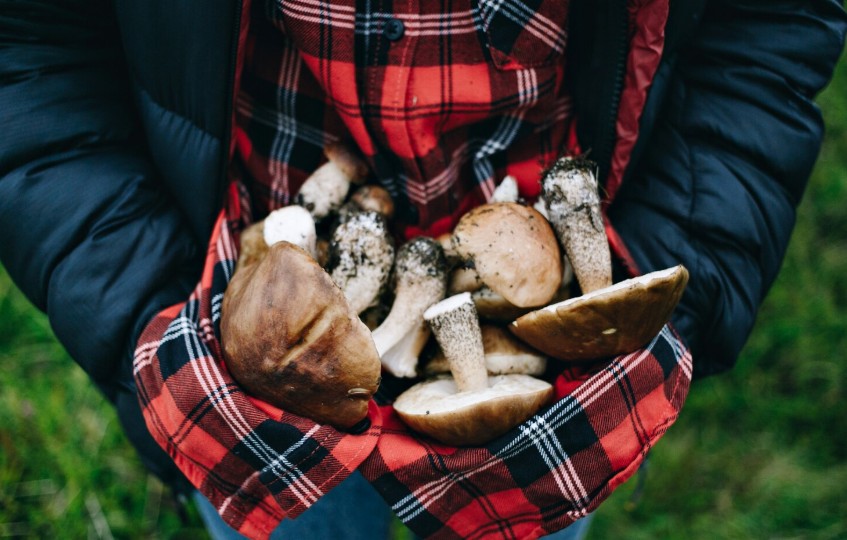
Across Canada, foraging workshops are popping up. In Quebec, mycological (mushroom) clubs have seen membership double. In Ontario, provincial parks offer guided wild edible walks. In British Columbia, Indigenous elders sometimes share traditional knowledge about which plants heal and which harm.
Advertorial
Hotels and resorts have noticed the trend too. Many now offer “foraging weekends” where guests learn to identify and cook wild ingredients. One resort in the Rocky Mountains includes a morning mushroom hunt followed by a lunch prepared by the chef using what the group found.
The appeal goes beyond just food. Foraging forces you to slow down. You cannot rush when you are looking for a tiny chanterelle hiding under moss. You have to be present. That mindfulness, experts say, is the real reward.
“People come for the mushrooms,” says a foraging instructor in Nova Scotia. “But they stay for the peace. They learn that the forest gives you more than just ingredients. It gives you calm.”
Of course, foraging comes with responsibility. Over‑harvesting can damage ecosystems. Ethical foragers take only what they need, leave plenty behind, and never pick protected species. Many follow the “one‑third rule” — take one third, leave one third for wildlife, and let one third regrow.
For those willing to learn, the rewards are rich. Wild berries taste brighter than store‑bought. Fresh chanterelles smell like apricots. And there is a special joy in cooking a meal that you gathered with your own two hands.
As one forager puts it: “The grocery store is fine. But the forest is magic.”