
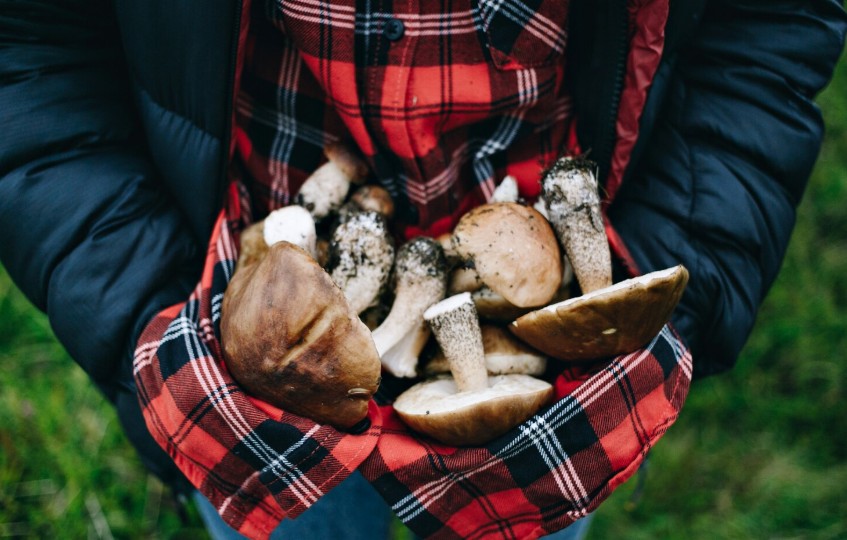
There is a quiet movement happening in Canada’s forests, parks, and even city ravines. More and more people are heading outside with baskets and guidebooks, looking for edible mushrooms, wild berries, and herbs.
Advertorial
It is called foraging — the ancient practice of gathering food from the wild. And it has become one of Canada’s fastest‑growing “hushed hobbies.”
The term “hushed hobbies” describes quiet, slow, nature‑based activities that feel almost secret. Unlike loud sports or crowded festivals, foraging is personal and peaceful. You walk slowly. You observe carefully. You listen to birds and the rustle of leaves.
Recent travel data shows that 58 percent of Canadians are interested in foraging or have already tried it. Many say they want to learn because they feel disconnected from where their food comes from. Others are drawn to the idea of free, healthy ingredients that cannot be found in a grocery store.
“I started foraging during the pandemic,” says a nurse from British Columbia. “I was stressed, anxious, stuck inside. A friend took me mushroom hunting in the forest. Within an hour, I forgot about everything else. I was just looking, smelling, touching. It saved my sanity.”
Foraging is not as simple as walking into the woods and picking whatever looks good. Mistakes can be dangerous — some mushrooms are poisonous. That is why beginners are urged to go with experienced guides, take classes, and use reliable field guides.